
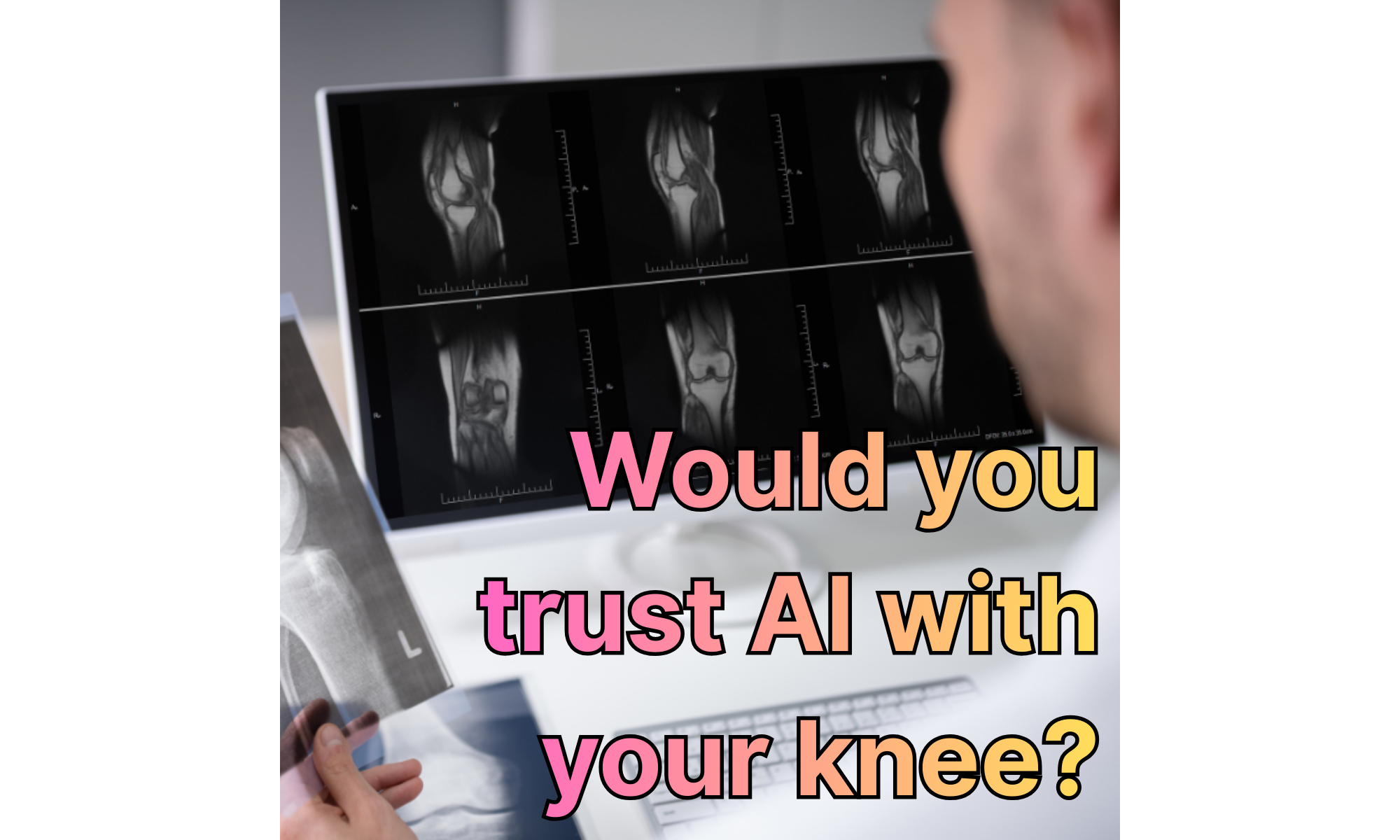
When My Knee Injury Revealed the Future of AI in Manufacturing
A knee injury gave me an unexpected lesson about AI. During a visit to an orthopaedic clinic, I saw a familiar pattern: advanced technology mixed with outdated processes. MRI scans and AI-generated notes worked smoothly, yet results were still handed to me on a CD. Inside the doctor’s office, AI handled documentation, summaries, and context. The doctor focused on interpretation and decisions. But outside the office, the patient journey was fragmented. It looked a lot like manufacturing. Factories face the same contradictions: modern machines next to manual processes, strong technical capabilities but weak workflows around them. The lesson is simple. AI should take over routine tasks. Humans should focus on decisions, trust, and responsibility.
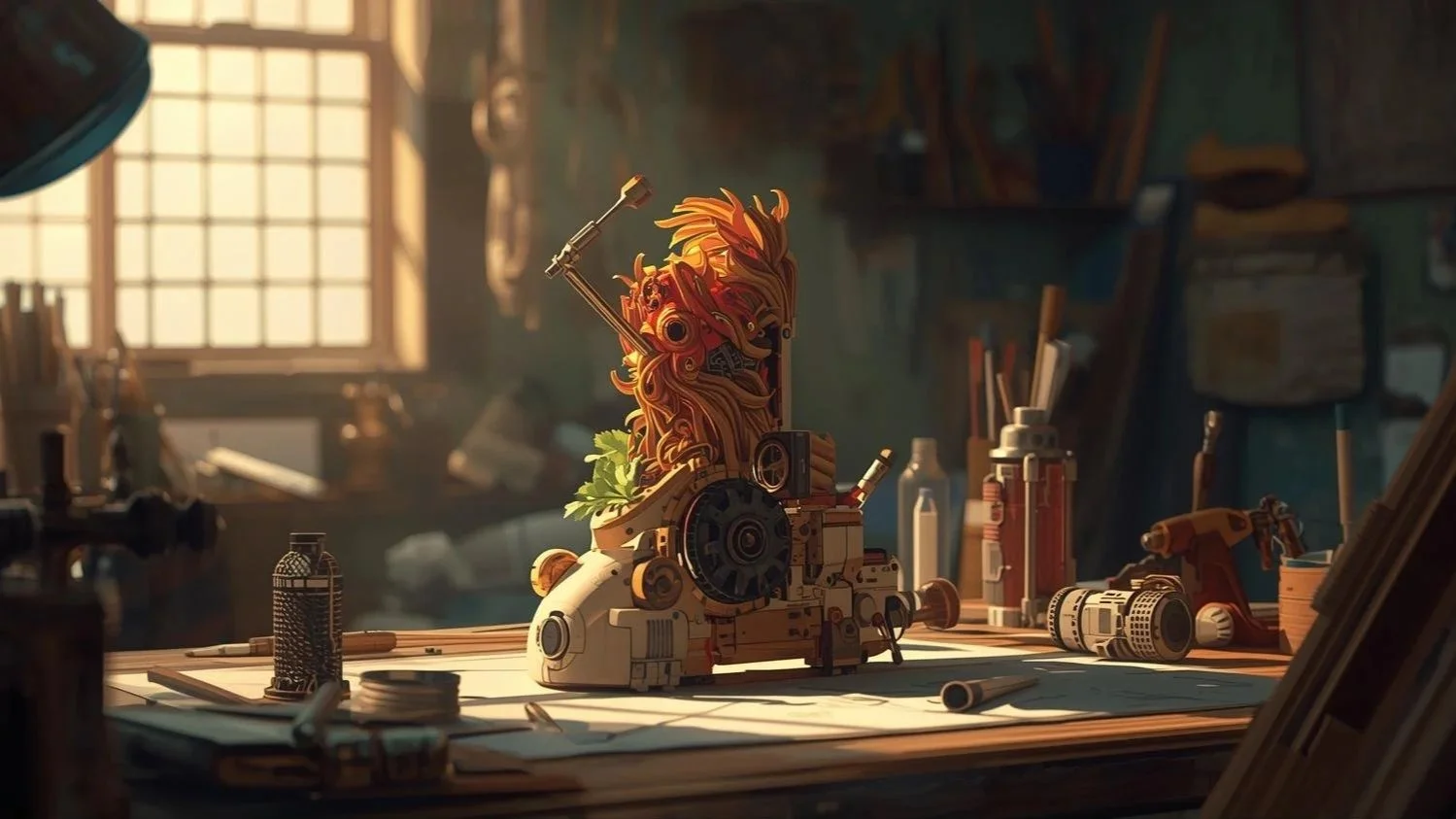
The Beauty of Imperfect Progress
Innovation rarely starts with perfection. In manufacturing and digital transformation, many projects are delayed while leaders wait for perfect data, clear ROI, and complete solutions. But real progress usually begins earlier — when teams share prototypes, test ideas, and learn in public. This mindset resembles the Japanese concept of wabi-sabi, which values imperfection and unfinished work as part of the creative process. In practice, small visible steps often drive the biggest momentum. Early pilots, simple tools, and quick iterations help teams learn faster and build trust. Transformation doesn’t begin when everything is ready. It begins when progress becomes visible.

What 1946 Arthur Nielsen’s Audimeter Has in Common With 21st Century Industry 4.0?
In 1946, Arthur Nielsen introduced the Audimeter, a device that tracked how people listened to radio. It collected data on when radios were used, which stations were played, and for how long. Even without the internet, this data was manually collected and analysed to improve advertising decisions. The idea is similar to today’s Industry 4.0. Sensors collect data from machines, analytics extract insights, and companies use those insights to optimise operations. Both systems show the same principle: collect data, analyse patterns, and improve decisions. The technologies have changed, but the advantages and challenges—such as integration, skills, and data security—remain similar. If data-driven optimisation worked in 1946 with basic tools, modern manufacturing has even greater potential to benefit from it today.

"Imagine having to run a marathon every day to get food" - What can dolphins teach manufacturing about digitalisation?
Research on dolphins shows a pattern that manufacturing can learn from. Scientists use digital tools like the D-Tag and spirometers to collect data about dolphins’ environment and physiology. By combining and analysing these datasets, they understand how changing conditions affect behaviour and survival. The principle is similar in manufacturing. Sensors, IIoT devices, and analytics help companies understand how process conditions influence quality, energy use, and performance. The lesson is simple: start with a clear problem, measure the right conditions, and use data to understand cause and effect.