
VISIONARY ENGINE BY ROBERT PLUSKA
I build new technology businesses inside industrial companies.
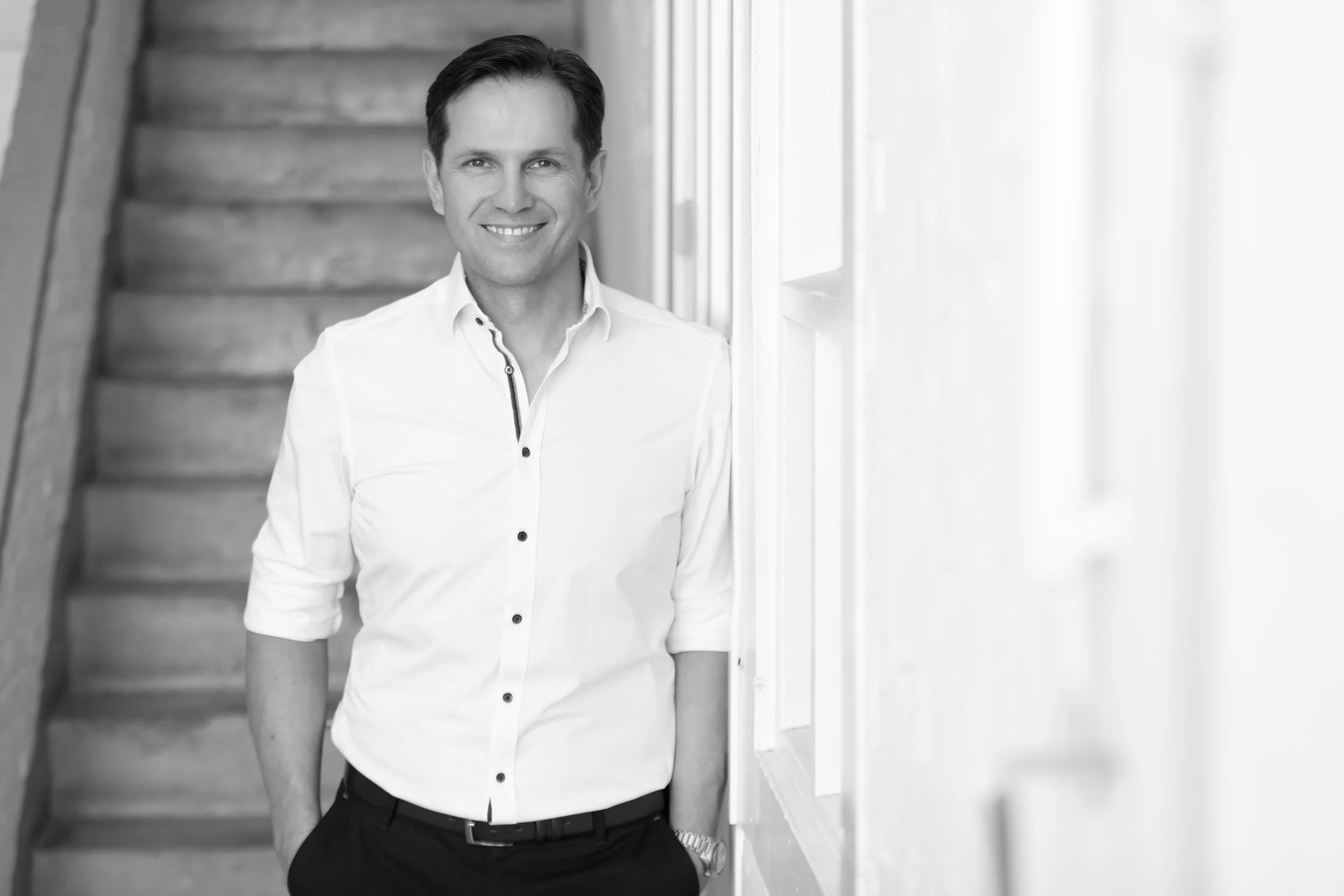
Robert Pluska — Founder, Visionary Engine
Industrial executive, entrepreneur and writer helping established manufacturers turn emerging technologies into sustainable sources of growth.
From identifying an opportunity to building the product, team, customer value and business model.
I work at the intersection of manufacturing, technology, strategy and commercialisation, turning ideas into new sources of industrial growth.

What it takes to build a new business
Most industrial companies already have technology, domain knowledge and promising pilot projects.
The real challenge is developing the capabilities needed to turn an opportunity into a product customers will pay for, a team that can deliver it and a business model that can scale.
My work brings together areas that often remain separated:
Strategy
Technology
Product
Manufacturing
Commercialisation
Organisation
When these elements develop together, emerging technology can become measurable customer value and a sustainable source of growth.
How I build. From opportunity to capability
Find the opportunity
Identify where industrial knowledge, customer needs and emerging technology can create meaningful value.
Shape the business
Turn the opportunity into a clear value proposition, product direction and business model.
Build the capability
Bring together the people, skills, processes, technology and leadership needed to deliver consistently.
Create the conditions for scale
Prove customer value, develop repeatable ways of working and build a path toward sustainable growth.
What I have built
Advanced Solutions
I built Advanced Solutions inside JSP, a global Japanese manufacturing company.
What started as an idea became a dedicated digital business with its own products, technology platform, multidisciplinary team and customer implementations across Europe and North America.
This work required more than developing software. It meant building product, commercial, implementation and organisational capabilities inside a company created around a very different business model.
Industrial decision systems
Together with my team, I developed systems that connect factory data with operational knowledge and help manufacturers make faster decisions, reduce scrap and improve energy efficiency.
Industry interoperability
I helped initiate the OPC UA Particle Foam Companion Specification, bringing machine manufacturers, technology providers and industrial partners together around a shared data architecture.
From idea to business
The journey from an early concept to a functioning business has shaped how I think about strategy, product development, adoption, commercialisation and scale.
What I believe
Technology creates value when it improves decisions.
The real advantage does not come from having more data, software or AI. It comes from helping people act earlier, with better context and greater confidence.
New growth depends on new capabilities.
Ideas and pilots matter, but they are not enough. Sustainable growth requires the right combination of skills, leadership, processes, technology, commercial discipline and execution.
Industrial change should build on what already works.
Established manufacturers already possess deep knowledge, customer relationships and operational experience. The strongest transformations preserve these assets while developing what the organisation needs next.
Latest Ideas

About Robert
Robert Pluska is an industrial business builder with more than two decades of experience across manufacturing, technology, technical sales and organisational transformation.
He helps established manufacturers develop the capabilities required to turn emerging technologies into sustainable sources of growth.
His career has taken him from factory-floor software implementation and international business process consulting to building a digital business inside a traditional manufacturing organisation.
Today, he leads JSP Advanced Solutions, where he connects strategy, product development, industrial software, commercialisation and organisational design.
Visionary Engine is his independent platform for turning that experience into practical ideas and frameworks for industrial leaders.

Innovation rarely starts with perfection. In manufacturing and digital transformation, many projects are delayed while leaders wait for perfect data, clear ROI, and complete solutions. But real progress usually begins earlier — when teams share prototypes, test ideas, and learn in public. This mindset resembles the Japanese concept of wabi-sabi, which values imperfection and unfinished work as part of the creative process. In practice, small visible steps often drive the biggest momentum. Early pilots, simple tools, and quick iterations help teams learn faster and build trust. Transformation doesn’t begin when everything is ready. It begins when progress becomes visible.