
Dashboards Don't Lead to Decisions. Here Is What Does.
Most factories already have dashboards, alerts, and MES systems. The data is there. And yet, on most shop floors, very little changes after it arrives. The real problem in Industrial AI is not connectivity, it is the gap between data and the decisions that should follow. This article explains why that gap exists, what architecture closes it, and how the sequence from OPC UA interoperability through edge data capture to AI-native intelligence creates the foundation that traditional MES systems were never designed to provide. For manufacturers navigating digital supply chains, the question is no longer whether to collect data. It is whether your architecture is built to act on it.

AI Won't Evolve On It’s Own
In 2000, pocket-format video streaming seemed ridiculous. The data networks were too slow. The screens were too small. The infrastructure didn't exist. It's 2026, and billions of people carry a small cinema in their pocket. Not that ridiculous anymore. This is exactly where we are with Industrial AI. The sceptics are right about today. The mistakes, the messy data, the gap between promise and reality on the shop floor. But being right about today is not the same as being right about direction. The question worth asking is not whether Industrial AI is perfect now. It's understanding the structural logic of where it is going — and what that means for every manufacturer trying to decide where to place their bets.

Davos 2026: The Fusion of AI and Manufacturing
Defence, energy, and industrial AI are now part of the same system, and factories sit at the centre of it. Investments in power grids, data centres, semiconductors, and AI infrastructure were announced by governments in Germany and Japan. NATO reframed manufacturing capacity as part of national resilience. Leaders like Jensen Huang and Elon Musk reinforced the same point: the next wave of AI will be built inside industry. For manufacturers, the message is clear. Modernising factories is no longer optional. It is strategic.
CES 2026 ended experimentation with Industrial AI
At the Consumer Electronics Show 2026, a clear shift appeared. Industrial AI is moving from analysis to decision infrastructure. Companies like Siemens and NVIDIA showed AI stacks connecting engineering, simulation, and production into continuous decision loops. Bosch and Microsoft demonstrated AI agents that support operational decisions. But vendors also acknowledged reality: factories run on mixed and legacy systems. That’s why edge AI and focused pilots are becoming the practical starting point. The message from CES was simple: industrial AI is entering operations one trusted decision at a time.
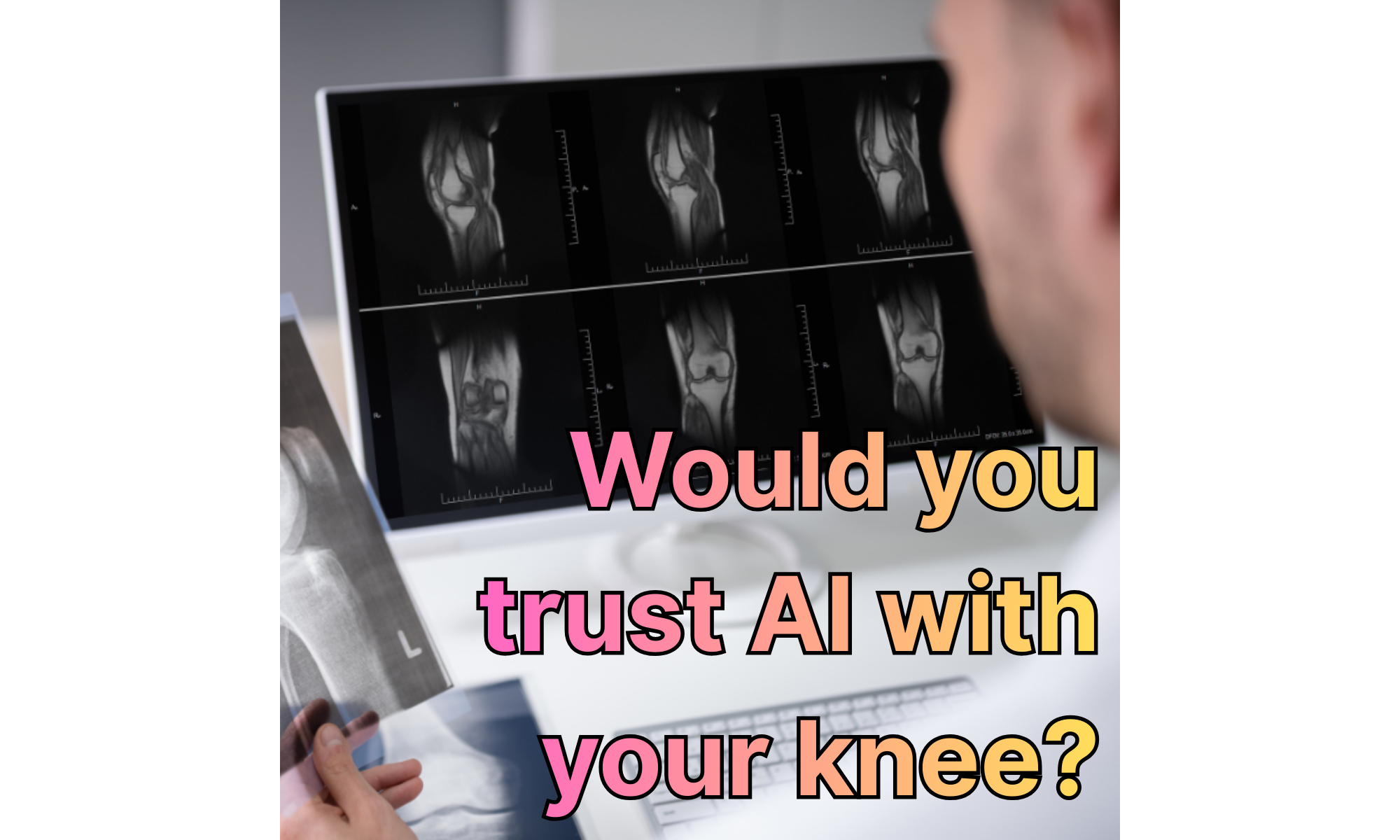
When My Knee Injury Revealed the Future of AI in Manufacturing
A knee injury gave me an unexpected lesson about AI. During a visit to an orthopaedic clinic, I saw a familiar pattern: advanced technology mixed with outdated processes. MRI scans and AI-generated notes worked smoothly, yet results were still handed to me on a CD. Inside the doctor’s office, AI handled documentation, summaries, and context. The doctor focused on interpretation and decisions. But outside the office, the patient journey was fragmented. It looked a lot like manufacturing. Factories face the same contradictions: modern machines next to manual processes, strong technical capabilities but weak workflows around them. The lesson is simple. AI should take over routine tasks. Humans should focus on decisions, trust, and responsibility.
Industrial AI Isn’t About Algorithms. It’s About Awareness
Factories don’t lack data. They lack awareness. Many plants run dashboards showing KPIs, cycle times, and scrap rates. But when something goes wrong, people still rely on experience and phone calls to understand what happened. Industrial AI changes that role. It connects machine data, logs, and human knowledge into one shared context. Instead of only reporting problems, it helps detect patterns, highlight risks, and support decisions earlier. But technology alone isn’t enough. Real progress starts with interoperability, shared data standards like OPC UA, and teams that trust the system. Industrial AI is not mainly about algorithms. It’s about turning existing data into awareness that helps people act sooner and with more confidence.

The Beauty of Imperfect Progress
Innovation rarely starts with perfection. In manufacturing and digital transformation, many projects are delayed while leaders wait for perfect data, clear ROI, and complete solutions. But real progress usually begins earlier — when teams share prototypes, test ideas, and learn in public. This mindset resembles the Japanese concept of wabi-sabi, which values imperfection and unfinished work as part of the creative process. In practice, small visible steps often drive the biggest momentum. Early pilots, simple tools, and quick iterations help teams learn faster and build trust. Transformation doesn’t begin when everything is ready. It begins when progress becomes visible.

Redefining Particle Foam Applications With Digital Innovation
At Foam Expo Europe 2024, the message was clear: the particle foam industry must evolve through digital innovation. Demand for lightweight materials is rising, especially with electric vehicles, but particle foam still struggles with precision and process stability compared to injection moulding. Data, sensors, and advanced analytics can help close that gap. The path forward starts with structured machine data, standards like OPC UA, and real-time analytics. From there, manufacturers can move toward predictive models and AI agents that support operators, optimise processes, and improve quality. The opportunity is not only better efficiency. It’s building trust through data-driven precision and opening new applications for particle foam in modern manufacturing.

What does it take for a traditional manufacturing company to thrive in a digital age?
For traditional manufacturers, digital transformation usually starts with a simple shift: treating data as a strategic asset. By connecting machines and collecting real-time data, factories can identify bottlenecks, reduce downtime, and improve quality. But technology alone is not enough. Success also depends on the right partners, data standards, and a culture where teams trust and use data in daily decisions. Once this foundation is in place, companies can go further — improving sustainability, sharing data across supply chains, and introducing AI for predictive maintenance and process optimisation. Digital transformation rarely happens overnight. It begins with connected data and grows into a culture of continuous improvement.

What 1946 Arthur Nielsen’s Audimeter Has in Common With 21st Century Industry 4.0?
In 1946, Arthur Nielsen introduced the Audimeter, a device that tracked how people listened to radio. It collected data on when radios were used, which stations were played, and for how long. Even without the internet, this data was manually collected and analysed to improve advertising decisions. The idea is similar to today’s Industry 4.0. Sensors collect data from machines, analytics extract insights, and companies use those insights to optimise operations. Both systems show the same principle: collect data, analyse patterns, and improve decisions. The technologies have changed, but the advantages and challenges—such as integration, skills, and data security—remain similar. If data-driven optimisation worked in 1946 with basic tools, modern manufacturing has even greater potential to benefit from it today.
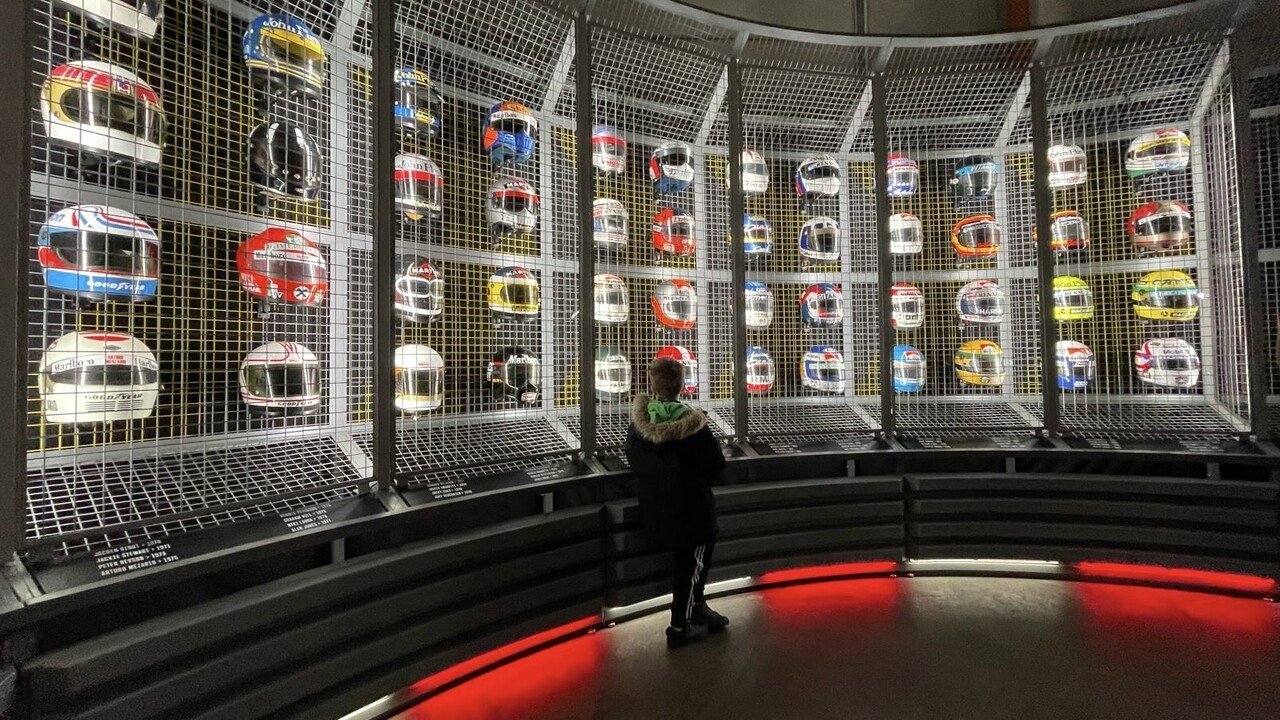
What Digital Manufacturing Can Learn From Evolution of Data Telemetry in Formula 1?
Formula 1 shows what data can do in a competitive environment. Modern F1 cars use hundreds of sensors to collect real-time telemetry on engine performance, suspension, temperatures, and driver inputs. Engineers analyse this data to optimise setup, compare drivers, and prevent failures. Manufacturing faces a similar challenge. Sensors, IoT, and analytics can reveal how machines behave, how operators interact with processes, and how those factors affect quality, scrap, and energy use. The lesson from Formula 1 is clear: data alone is not the goal. It must be connected to critical process issues and real business outcomes.

"Imagine having to run a marathon every day to get food" - What can dolphins teach manufacturing about digitalisation?
Research on dolphins shows a pattern that manufacturing can learn from. Scientists use digital tools like the D-Tag and spirometers to collect data about dolphins’ environment and physiology. By combining and analysing these datasets, they understand how changing conditions affect behaviour and survival. The principle is similar in manufacturing. Sensors, IIoT devices, and analytics help companies understand how process conditions influence quality, energy use, and performance. The lesson is simple: start with a clear problem, measure the right conditions, and use data to understand cause and effect.

Industry 5.0 Ready for Manufacturing?
Industry 5.0 focuses on human-centric, sustainable manufacturing built on technologies from Industry 4.0. Many companies are still struggling with Industry 4.0 due to challenges like standardisation, legacy machines, infrastructure gaps, and limited digital skills. But this delay also creates an opportunity: companies can design digital systems from the start with Industry 5.0 principles in mind. The key is not technology alone. Success comes from combining data, automation, and AI with human expertise, sustainable processes, and iterative experimentation to create real value for both employees and customers.